2026-10-23 ·
How Ohio Winters Affect Air Duct Performance in Blue Ash Homes
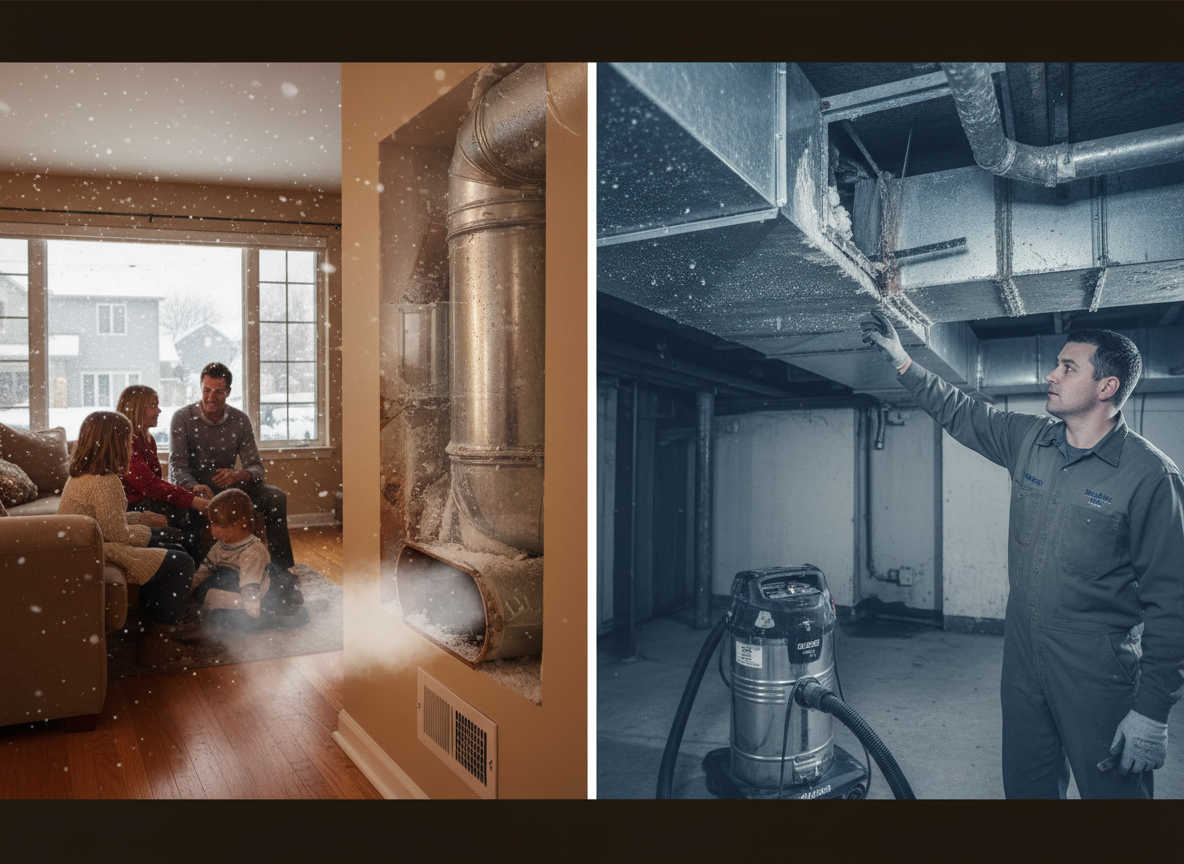
Ohio winters reduce air duct performance in Blue Ash homes primarily through condensation inside metal runs and increased heat loss from unsealed joints when temperatures drop below freezing for extended periods.
Condensation Risks in Cold Weather
Blue Ash homes built in the 1960s and 1970s around Hunt Road and Edwards Road often have uninsulated ductwork in attics and crawl spaces. When outdoor air hits 20 degrees or lower, warm moist air from living spaces meets cold duct surfaces and forms water droplets that collect along seams. This moisture can drip onto insulation or promote rust at joints over repeated freeze-thaw cycles. Residents in Sycamore Township notice musty odors first in bedrooms served by long horizontal runs because those sections stay coldest overnight. Proper sealing at connections reduces the surface area where condensation forms and keeps airflow steady even when the furnace runs continuously.
Heat Loss Through Leaky Ducts
Older split-level homes in Kenwood and Montgomery lose conditioned air through gaps that open wider once metal contracts in sustained cold. Supply ducts routed through unheated basements or garages push heated air into living spaces while drawing in 40-degree basement air through return leaks. This mixing forces the furnace to cycle longer to maintain 68 degrees indoors. Homeowners along Plainfield Road near the Swift Mend location at 9099 Plainfield Rd report higher utility bills once January arrives because the same 8-inch flex runs that worked in fall now leak at every collar. Addressing these leaks before the first hard freeze prevents the system from compensating with extra runtime throughout the season.
Airflow Restrictions from Ice and Debris
Exterior vents serving homes in Deer Park and Madeira can collect snow and ice that melts then refreezes overnight, narrowing openings and reducing return airflow. When this happens, the blower works against higher static pressure and can short-cycle the furnace. In neighborhoods with mature trees such as Pleasant Ridge, leaves and small branches that entered vents in fall become lodged once snow packs around the openings. Checking vent covers after each snowfall and clearing any ice buildup keeps the entire duct network moving air at design rates rather than letting the system strain.
Effects on Indoor Air Quality
Tighter winter windows in Blue Ash residences trap particles that the ducts then recirculate when the furnace runs more hours. Dust and pet dander that settled in returns during milder months get pulled through leaky joints and redistributed once the system operates daily. This pattern shows up most in two-story homes in Silverton where upstairs returns sit farther from the furnace. Maintaining steady airflow through clean ducts limits how much settled material gets stirred back into living spaces during the long heating season. See the related post on spring pollen effects for year-round filter strategies that complement winter duct performance.
Practical Steps for Blue Ash Homeowners
Schedule a full inspection of accessible ducts before Thanksgiving when daytime temperatures still allow attic access without ice hazards. Focus first on joints in unconditioned spaces common to homes near Summit Park and Reading. After any heavy snow, verify that exterior terminations remain clear so the system does not pull against added resistance. These checks align with the demands of local winters and help ducts deliver consistent performance from December through March without unnecessary strain on the furnace.